Psychology Behind Character Deconstruction (Horror): Unpacking Fear and Trauma
The most chilling horror stories don't just show you a monster; they show you how a human being breaks apart under the monster's shadow. The true terror in horror often lies in the psychological deconstruction of its characters, exposing primal fears and deep-seated traumas that resonate long after the credits roll. Understanding the Psychology Behind Character Deconstruction (Horror) isn't just about analyzing what scares us; it's about dissecting the very human responses to the incomprehensible, the terrifying, and the deeply wrong.
What makes a character unravel? How do their deepest fears become weapons against them? And why, as an audience, do we find this unraveling so compelling? This guide dives into the intricate psychological frameworks that horror authors and filmmakers leverage to craft narratives that aren't just scary, but profoundly disturbing.
At a Glance: Peeling Back the Layers of Fear
- Horror is a Compound Emotion: It’s not just fear; it’s a potent cocktail of fear and disgust, alerting us to both threat and contamination.
- Monsters Break Our Brains: Noël Carroll's "category-jamming" theory explains how monsters terrify us by violating our fundamental mental categories, making them "deeply wrong."
- Primal Fears on Display: Horror narratives tap into our most basic anxieties: death, the unknown, loss of control, and societal collapse.
- Trauma as a Catalyst: Past experiences—especially trauma—are powerful drivers, shaping a character's fears, motivations, and often irrational responses to threats.
- Deconstruction Reveals Truth: By stripping away normalcy, horror reveals a character's vulnerabilities, moral ambiguities, and the extreme behaviors they resort to under duress.
- Audience Catharsis: Engaging with character deconstruction in a controlled environment allows us to confront our own fears and anxieties safely.
The Raw Emotional Fabric: Why Horror Feels Horrifying
Before we dissect characters, let's understand the emotional bedrock of horror itself. Psychologist Paul Ekman identified six basic human emotions: happiness, sadness, fear, disgust, anger, and surprise. These are universal building blocks, but horror doesn't typically rely on just one.
Instead, philosopher Noël Carroll eloquently argues that horror is a sophisticated, compound emotion. It's not simply fear, nor is it just disgust. It requires both.
- Fear: This is our primal alarm system, an immediate response to a perceived threat. It's the "fight or flight" mechanism kicking in, urging us to escape. Think of the sudden jolt when a monster leaps out.
- Disgust: This emotion alerts us to potential contamination, things that are perceived as unclean, diseased, or morally repulsive. It makes us want to recoil and avoid. Imagine the squelch of something slimy or the sight of something mutilated.
Carroll's genius lies in showing that neither emotion alone creates horror. An adventure film might elicit fear (e.g., being chased by a bear), but not disgust. Stepping in dog poop elicits disgust, but rarely horror. True horror, however, combines the terrifying threat with something profoundly unsettling and repulsive. As Cynthia Freeland puts it, it’s a "compound of terror and revulsion."
Consider Dracula, whose very touch or breath could cause "nausea." Or the "putrid" creatures in Lovecraft's tales, eliciting "terrible fear" alongside their repulsive forms. This dual punch of fear and disgust is what makes horror uniquely potent, and it’s the environment in which character deconstruction truly shines.
When Reality Breaks: Carroll's "Category-Jamming" and the Unraveling Mind
What makes a monster terrifying beyond its immediate threat? It's often their fundamental wrongness, their defiance of natural order. Noël Carroll's "category-jamming" theory helps us grasp this psychological phenomenon. Humans categorize everything to make sense of the world – "animal," "human," "alive," "dead," "natural," "artificial." Monsters, however, are category transgressors; they break these mental rules, causing profound revulsion.
This transgression can manifest in several ways, each chipping away at our sense of reality and, by extension, a character's sanity:
- Belonging to Two or More Incompatible Categories: Think of the classic zombie (both living and dead), the cyborg (human and machine), or the werewolf (human and animal). These entities violate our understanding of distinct categories, creating cognitive dissonance that is deeply unsettling. The mind struggles to reconcile the irreconcilable.
- Missing Essential Features: A monster might lack a crucial attribute for its category, like the Headless Horseman missing his head or ghosts lacking physical bodies. This absence is not just a deficiency; it's a violation of what "should" be there, a void that our minds find disturbing.
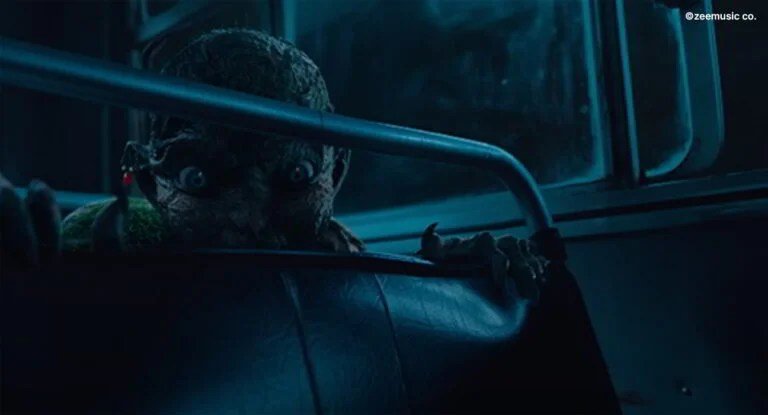
- Possessing Extra or Exaggerated Features: On the flip side, monsters with too many features or grotesquely exaggerated ones are equally unsettling. Consider the xenomorph with its second mouth, Pennywise's unnaturally sharp or numerous teeth, or any creature with too many limbs or eyes. These additions push past the familiar into the realm of the grotesque. Even a seemingly benign character, like an overly cheerful figure with an exaggerated smile, can become unsettling, tapping into the uncanny valley. It makes you wonder, what if Mickey Mouse wasn't so friendly after all?
- Literally Incomprehensible, Fitting No Categories: The most profound category jam occurs when a creature defies all attempts at classification. H.P. Lovecraft mastered this with his "unnamable" entities, often described as "a gelatin—a slime—yet it had shapes, a thousand shapes of horror beyond all memory." These entities represent the ultimate breakdown of our cognitive framework, leaving characters—and audiences—with a sense of utter existential dread.
Even human antagonists in slasher films often fit this theory. Their "inhumanity" doesn't come from being non-human, but from their profound lack of essential human features: rational thought (they're often insane) and social functioning (they inflict suffering rather than cooperate). They violate our category of "human being," making them profoundly repulsive even without supernatural powers. This psychological dissonance is a key tool in character deconstruction, as protagonists grapple with an antagonist that defies their understanding of the world.
The Deep Dive: How Horror Scans the Human Psyche
Horror isn't just about jump scares; it's a profound exploration of the human psyche's most vulnerable points. It forces us to confront existential threats, tapping into primal fears that are hardwired into our biology. Think of death, the vast unknown, or the complete loss of personal control.
When a character in a horror story faces such a threat, our brains instinctively engage the amygdala, the almond-shaped cluster of neurons responsible for processing emotions, particularly fear. This activation leads to heightened emotional responses, adrenaline surges, and an almost visceral connection to the character's plight. This shared experience can be incredibly cathartic, allowing audiences to process their own fears in a safe, controlled environment.
Beyond primal fears, horror often serves as a mirror, reflecting societal anxieties and personal traumas. A story about a plague might resonate with real-world pandemic fears. A haunted house might symbolize unresolved family trauma. By presenting these anxieties through fictional characters, horror offers a unique space for audiences to confront deeply uncomfortable truths without direct personal risk.
Character Under Pressure: Motivations and Their Unsettling Impact
The true genius of psychological horror lies in how it dissects characters, laying bare their internal landscape as external terrors mount. Their motivations, fears, and internal conflicts aren't just plot devices; they are the very engine of their deconstruction.
Fear as a Catalyst for Change
Fear isn't just an emotion; it's a powerful catalyst. It reveals vulnerabilities you never knew you had and drives actions, both heroic and horrifying. Under extreme duress, the fight-or-flight response takes over, pushing characters into transformative situations. They might find incredible strength, or they might descend into madness, paranoia, or abject surrender. This journey, whether towards growth or regression, is central to their deconstruction.
Anxiety: The Amplifier of Dread
For both characters and audiences, anxiety heightens the perception of horror. It's the slow burn of dread, the anticipation of something terrible, rather than the sudden shock. Characters racked with anxiety tend to misinterpret cues, see threats where none exist, and make poor decisions. For the audience, this anxiety amplifies emotional responses to suspenseful elements, making every creak of the floorboard or shadow in the corner feel infinitely more threatening. Studies even suggest that anxious individuals react more strongly to horror stimuli, indicating a deeper psychological engagement.
Extreme Behaviors: When the Normal Breaks
When confronted with unimaginable threats, characters often exhibit extreme behaviors. These aren't necessarily signs of weakness; they're manifestations of heightened emotional states, survival instincts pushed to their limits, or the resurfacing of deep psychological trauma. These behaviors can include irrational decision-making, self-harm, violent outbursts, or a complete withdrawal from reality, all far outside normal patterns. It's in these moments that a character's conventional facade completely crumbles.
The Drivers: Survival, the Unknown, and the Lure of Power
Beneath the surface, several primary motivations often drive characters in horror:
- Survival: The most basic and visceral drive. It pushes characters to incredible feats or unspeakable acts, forcing them to question their own humanity.
- Fear of the Unknown: Humanity is wired to understand and categorize. When confronted with something incomprehensible – a cosmic entity, an inexplicable phenomenon – the psychological toll can be immense. The desire to know, or the terrifying inability to, can break a character.
- Desire for Power or Control: In a world where control is fleeting, some characters desperately seek to reclaim it, even if it means resorting to dark means. Others might be corrupted by newfound power, succumbing to the allure of forbidden knowledge or supernatural abilities.
These primary drivers often intertwine with personal fears—isolation, failure, abandonment, or even the fear of one's own dark side. When these personal fears are exploited or amplified by the horror, they can drive characters to paranoia, delusions, obsessive behaviors, or outright madness.
Embracing Evil: The Dark Side of Deconstruction
Sometimes, characters don't just break; they transform into something monstrous themselves. This embrace of evil or villainy is rarely a simple choice. It's often driven by:
- Unresolved Trauma: A character who has endured immense suffering might seek to inflict it on others, a twisted form of control or revenge.
- Desire for Power: The promise of ultimate power can be irresistible, leading characters to make pacts with malevolent forces or commit atrocities.
- Allure of Forbidden Knowledge: The pursuit of secrets beyond human comprehension can lead to madness and moral decay.
- Moral Disengagement: This involves rationalizing harmful behaviors, dehumanizing victims, or displacing responsibility, allowing a character to commit acts they otherwise wouldn't.
Moral Ambiguity: The Grey Areas of Survival
Perhaps the most potent aspect of character deconstruction is the exploration of moral ambiguity. When survival is on the line, the lines between right and wrong blur. Characters are forced to make impossible choices, revealing their true nature and pushing them into profound internal conflicts. Do you sacrifice one to save many? Do you betray a friend to ensure your own survival? These dilemmas don't just drive narrative tension; they force us to question our own ethical boundaries, making the horror deeply personal.
Psychological Frameworks: Unveiling Character Drives
Understanding why characters act the way they do under duress often involves looking at established psychological theories.
- Freudian Psychoanalysis: The Uncanny and Repressed Fears
Sigmund Freud's ideas are a goldmine for horror. His concept of the "uncanny" (Unheimlich) is particularly relevant: something that is both familiar and strangely unfamiliar, evoking a sense of dread. Think of a seemingly innocent doll that suddenly feels menacing. This unsettling feeling often stems from the return of something repressed, something that should have remained hidden but has surfaced. In horror, repressed fears, desires, or traumas often manifest in monstrous forms or irrational behaviors, revealing a character's subconscious struggles. - Terror Management Theory (TMT): Confronting Mortality
TMT posits that human behavior is largely driven by an awareness of our own mortality and the resulting existential anxiety. Characters in horror are constantly confronted with death. Their actions—whether bravely facing a threat, desperately trying to survive, or even succumbing to madness—can be seen as attempts to manage this terror. They might cling to self-esteem, cultural beliefs, or even a twisted sense of immortality in the face of inevitable demise. This theory helps explain why characters might take extreme risks to preserve their sense of self or their legacy. - Past Traumas: Echoes in the Present
Few elements influence character deconstruction more profoundly than past traumas. A history of abuse, loss, or violence doesn't just provide backstory; it fundamentally shapes a character's fears, motivations, and responses to current threats. Characters with past trauma often exhibit heightened anxiety, irrational behaviors, hyper-vigilance, or dissociative episodes—all similar to symptoms of Post-Traumatic Stress Disorder (PTSD). The current horror event can act as a trigger, forcing them to relive or confront their past, leading to a complete breakdown or, sometimes, a cathartic breakthrough. This psychological weight makes their struggle far more impactful.
Crafting a Breakdown: Developing Complex Characters in Horror
For writers, directors, and even astute readers, understanding these psychological underpinnings is crucial for creating—or appreciating—characters who truly resonate.
How Writers Convey Motivations
A character's inner world isn't just told; it's shown. Writers convey motivations through:
- Internal Monologue: Direct access to a character's thoughts, fears, and dilemmas.
- Dialogue: What a character says (or doesn't say) reveals their mindset, values, and emotional state.
- Actions: The choices a character makes, especially under pressure, speak volumes about their core motivations and priorities.
- Symbolism: Objects, settings, or recurring motifs can represent a character's internal struggles, past traumas, or subconscious desires.
The Power of Backstory
A well-developed backstory is the bedrock of character depth. It provides context for their current fears, explains their initial reactions, and fosters a powerful emotional connection with the audience. Knowing why a character is afraid of the dark, or who they lost, transforms them from a mere archetype into a multidimensional human being. This depth intensifies their reactions to horror, making their struggle feel more profound and their potential deconstruction all the more tragic.
Best Practices for Character Depth
To develop truly complex characters whose deconstruction feels earned and impactful:
- Craft Multidimensional Backstories: Avoid one-note histories. Give characters layers of experience, both positive and negative, that inform who they are.
- Establish Clear Motivations (and Conflicts): Understand what your character wants, and just as importantly, what internal or external forces oppose them. These conflicts are the fuel for their deconstruction.
- Incorporate Psychological Depth: Lean into inner conflicts, unresolved traumas, and moral dilemmas. What secrets do they keep? What guilt do they carry? These are the cracks through which horror seeps in.
Balancing Motivations with Plot Progression
Character motivations shouldn't exist in a vacuum. They must directly influence the narrative. A character's desire for survival might lead them to investigate a dangerous area, propelling the story forward. Their fear of abandonment might cause them to make a reckless decision to save a loved one, creating new plot points. Ensure that their internal goals and struggles are intertwined with the external threats, making their decisions and actions the driving force of the story.
Common Pitfalls to Avoid
Even the most seasoned storytellers can stumble. To prevent undermining character credibility and audience engagement, avoid:
- Oversimplification: Beware of one-dimensional archetypes. The "scream queen" or the "macho hero" without deeper psychological grounding quickly becomes uninteresting.
- Lack of Depth: Characters who exist solely to react to the plot, without discernible inner lives or personal stakes, fail to engage.
- Inconsistent Behavior: While characters can behave irrationally under stress, their actions should still align with their established personality and motivations. Wildly inconsistent behavior without psychological justification breaks immersion.
- Reliance on Clichés: Avoid generic fears or trauma tropes. Dig deeper into unique manifestations of psychological distress to create fresh and impactful character arcs.
Beyond the Scare: The Enduring Power of Deconstruction
The fascination with the Psychology Behind Character Deconstruction (Horror) isn't merely about morbid curiosity; it's about the profound insights it offers into the human condition. When characters unravel in the face of the unspeakable, they reveal not only their weaknesses but also their hidden strengths, their capacity for resilience, and the fragile boundaries of their sanity.
By understanding the emotional foundations of horror, the cognitive dissonance monsters create, and the complex motivations driving characters through terror, we gain a deeper appreciation for the art of fear. It empowers us to look beyond the surface-level scares and recognize the intricate psychological tapestries woven into our favorite horror narratives. The next time you watch a character break under the weight of unimaginable horror, remember that you're witnessing a masterclass in psychological deconstruction—a mirror held up to our own deepest fears and the profound, often terrifying, truth of what it means to be human.